Pocket Reduction Surgery in Parker and Glendale: Restoring Your Gum Health
What Causes Periodontal Pockets?
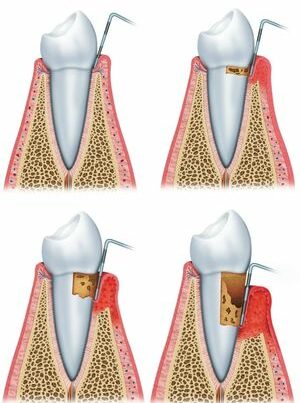
Healthy gums fit snugly around your teeth, creating a shallow space that’s easy to keep clean. When bacteria accumulate below the gum line, they trigger an inflammatory response that gradually destroys the tissue and bone supporting your teeth. As this damage progresses, the gums pull away from the teeth, creating pockets that harbor more bacteria and accelerate the disease process.
These pockets create a vicious cycle. The deeper they become, the harder they are to clean with brushing and flossing alone. Bacteria thrive in these protected spaces, releasing toxins that continue breaking down the bone and tissue. Without intervention, teeth eventually become loose and may need extraction.
How Pocket Reduction Surgery in Parker and Glendale Works
During the procedure, we carefully fold back the gum tissue to access the roots of your teeth and the underlying bone. This exposure allows for thorough removal of disease-causing bacteria, tartar deposits, and infected tissue that routine cleanings can’t reach.
Once the area is thoroughly cleaned, the bone may be reshaped to eliminate irregular surfaces where bacteria tend to collect. The gum tissue is then repositioned to fit more closely around the teeth, reducing pocket depth and making it possible for you to maintain the area with proper home care.
Traditional Osseous Surgery in Parker and Glendale
Traditional osseous surgery in Parker and Glendale specifically addresses the bone damage that periodontal disease causes. The term “osseous” refers to bone, and this surgery focuses on removing diseased bone and reshaping the remaining healthy bone to create a more favorable environment for gum tissue attachment.
Gum disease doesn’t just affect soft tissue. The infection spreads below the gum line and destroys the bone structure that anchors your teeth. As bone deteriorates, it develops an irregular shape that prevents the gum from lying flat against the tooth surface. This irregularity creates additional spaces where bacteria accumulate and the disease continues.
By removing diseased bone and contouring the remaining bone to a more natural shape, osseous surgery helps the gums reattach properly and reduces pocket depth. This gives you a fighting chance to maintain your oral health through good home care habits.
Regenerative Options for Bone and Tissue Loss
Pocket reduction surgery doesn’t just remove disease; it can also encourage healing and regeneration of lost structures. During the procedure, your periodontist may place:
- Bone grafts to fill in areas where bone has been destroyed
- Membranes that act as barriers, giving bone and tissue time to regenerate
These regenerative techniques can reverse some of the damage caused by periodontal disease, helping restore the foundation that supports your teeth. The expert team at Mountain View Periodontics evaluates each situation individually to determine which approach offers the best outcome.
What to Expect During Recovery
After pocket reduction surgery in Parker and Glendale, you’ll need to follow specific care instructions to promote healing and prevent infection. The gum tissue needs time to reattach to the tooth and bone, and proper care during this period significantly impacts your results.
Most patients experience mild discomfort that responds well to over-the-counter pain medication. Swelling and minor bleeding are normal in the first few days. Your periodontist will provide detailed instructions about diet modifications, oral hygiene practices, and what symptoms warrant a call to the office.
Healing typically takes several weeks, though you’ll likely feel back to normal within a few days. Follow-up appointments allow your periodontist to monitor healing and measure pocket depths to confirm the surgery achieved the desired reduction.
Who Needs This
Procedure?
Not everyone with gum disease requires surgery. Pocket reduction surgery becomes necessary when periodontal pockets are deeeper than 5 to 6 mm.and don’t respond to non-surgical treatments like scaling and root planing. Your periodontist measures pocket depths during examinations and uses X-rays to assess bone loss.
Dr. Maryanne B. Butler and Dr. Amy M. Riffel thoroughly evaluate your specific situation before recommending surgery. They consider factors like pocket depth, bone loss severity, overall health, and how well you’re able to maintain oral hygiene at home.
Alternative Treatment Options
While traditional osseous surgery remains highly effective, less invasive options exist for some patients. The LANAP Protocol uses laser technology to remove diseased tissue and bacteria without cutting and stitching the gums. This approach often results in less discomfort and faster healing times. A comprehensive periodontal examination is indicated to determine if you are a candidate for LANAP surgery.
Your periodontist discusses all appropriate options during your consultation, explaining the benefits and limitations of each approach based on your specific needs.
Protecting Your Investment
Pocket reduction surgery gives you a fresh start, but maintaining the results requires consistent home care and regular professional maintenance. Brushing twice daily, flossing thoroughly, and attending regular periodontal maintenance appointments help prevent disease from returning.
The investment you make in treating periodontal disease pays dividends in maintaining your natural teeth for years to come. Without treatment, advanced gum disease leads to tooth loss, which brings additional costs and complications for tooth replacement.
Schedule Your Consultation
If you’ve been told you have deep periodontal pockets or bone loss from gum disease, don’t wait for the problem to worsen. The Parker office and Glendale location offer comprehensive periodontal care to help you maintain your natural teeth.
Contact us today at Periodontics of Cherry Creek (our Cherry Creek office), and Mountainview Periodontics and Dental Implants (our Parker office) to discuss how pocket reduction surgery can restore your gum health and protect your smile for the future.